





Top Sleep Health Supplements
Ranked by our independent Sarvabhi Review Score — based on ingredient quality, third-party testing, and verified customer outcomes.
 10/10
78% Discount
10/10
78% Discount
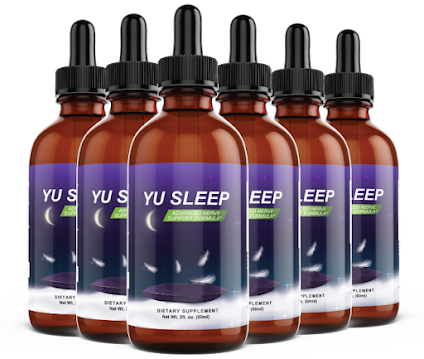
Yu Sleep
Deep, Restorative Sleep Your Body Deserves
About Sleep Health
Sleep Health: A Complete Guide to Better Rest and Well-Being
Sleep health refers to the quality, duration, timing, and consistency of sleep that allows an individual to function effectively during the day and maintain optimal physical, mental, and emotional well-being. Sleep is not simply a period of rest; it is an essential biological process that supports brain function, immune system performance, cardiovascular health, hormone regulation, metabolism, learning, memory, and emotional stability. Healthy sleep enables the body to repair tissues, consolidate memories, regulate energy levels, and prepare for the demands of the next day.
Despite its importance, millions of people experience inadequate or poor-quality sleep due to stress, irregular schedules, excessive screen time, lifestyle habits, medical conditions, and sleep disorders. Chronic sleep deprivation can negatively affect productivity, concentration, mood, decision-making, and overall health. Understanding sleep health and adopting healthy sleep practices can significantly improve quality of life and reduce the risk of numerous health conditions.
Why Sleep Health Matters
Sleep is a fundamental pillar of health alongside nutrition and physical activity. During sleep, the body performs critical restorative functions that cannot be fully achieved while awake. Proper sleep supports cognitive performance, strengthens immunity, balances hormones, improves emotional resilience, and promotes healthy growth and development in children and adolescents.
| Area of Health | Benefits of Healthy Sleep |
|---|---|
| Brain Function | Enhances memory, concentration, learning, and decision-making. |
| Emotional Well-being | Improves mood regulation and reduces stress and anxiety. |
| Immune System | Strengthens the body's ability to fight infections and illnesses. |
| Heart Health | Supports healthy blood pressure and cardiovascular function. |
| Metabolism | Helps regulate appetite, blood sugar levels, and weight management. |
| Physical Recovery | Promotes muscle repair, tissue growth, and recovery from exercise. |
How Much Sleep Do You Need?
Sleep requirements vary depending on age, lifestyle, and individual health conditions. The following recommendations provide general guidance for healthy sleep duration.
| Age Group | Recommended Sleep Duration |
|---|---|
| Newborns (0–3 months) | 14–17 hours per day |
| Infants (4–12 months) | 12–16 hours including naps |
| Children (1–12 years) | 9–14 hours depending on age |
| Teenagers (13–18 years) | 8–10 hours per night |
| Adults (18–64 years) | 7–9 hours per night |
| Older Adults (65+ years) | 7–8 hours per night |
The Stages of Sleep
Sleep occurs in cycles consisting of multiple stages. Each stage serves a unique purpose in maintaining physical and mental health.
| Sleep Stage | Description |
|---|---|
| Stage 1 (Light Sleep) | Transition between wakefulness and sleep. |
| Stage 2 | Body temperature drops and heart rate slows. |
| Stage 3 (Deep Sleep) | Critical for physical restoration and immune function. |
| REM Sleep | Supports memory consolidation, learning, and emotional processing. |
Signs of Good Sleep Health
- Falling asleep within 15–30 minutes.
- Sleeping through most of the night.
- Waking up feeling refreshed and energized.
- Maintaining focus and productivity during the day.
- Experiencing stable mood and emotional balance.
- Rarely needing excessive caffeine to stay alert.
Signs of Poor Sleep Health
- Difficulty falling asleep regularly.
- Frequent nighttime awakenings.
- Persistent daytime fatigue.
- Difficulty concentrating or remembering information.
- Mood swings, irritability, or increased stress.
- Dependence on stimulants to remain awake.
Common Factors That Affect Sleep
Many lifestyle and environmental factors can influence sleep quality. Identifying and addressing these factors is essential for maintaining healthy sleep patterns.
| Factor | Impact on Sleep |
|---|---|
| Stress and Anxiety | Can make it difficult to relax and fall asleep. |
| Screen Time | Blue light may interfere with melatonin production. |
| Caffeine | May delay sleep onset and reduce sleep quality. |
| Alcohol | Can disrupt sleep cycles and REM sleep. |
| Noise and Light | May cause frequent awakenings and fragmented sleep. |
| Irregular Schedule | Disrupts the body's natural sleep-wake rhythm. |
Tips for Better Sleep Health
- Maintain a consistent bedtime and wake-up schedule.
- Create a quiet, dark, and comfortable sleeping environment.
- Limit exposure to screens at least one hour before bedtime.
- Avoid large meals, caffeine, and nicotine late in the day.
- Engage in regular physical activity.
- Develop a relaxing bedtime routine.
- Manage stress through mindfulness, meditation, or relaxation techniques.
- Use the bedroom primarily for sleep and rest.
Potential Health Risks of Sleep Deprivation
Long-term sleep deprivation can have serious consequences for overall health. Consistently getting insufficient sleep may increase the risk of chronic diseases and reduce quality of life.
- High blood pressure and cardiovascular disease.
- Obesity and metabolic disorders.
- Type 2 diabetes.
- Weakened immune function.
- Depression and anxiety.
- Reduced productivity and workplace performance.
- Increased risk of accidents and injuries.
- Impaired memory and cognitive decline.
Frequently Asked Questions (FAQs)
1. Why is sleep important for overall health?
Sleep allows the body and brain to recover, repair tissues, regulate hormones, strengthen immunity, and support cognitive functions such as memory and concentration.
2. How many hours of sleep should adults get?
Most adults should aim for 7–9 hours of quality sleep each night to maintain optimal health and daily functioning.
3. What happens if I do not get enough sleep?
Insufficient sleep can lead to fatigue, poor concentration, weakened immunity, mood disturbances, and increased risk of chronic health conditions.
4. Can naps make up for lost sleep?
Short naps may improve alertness and performance temporarily, but they cannot fully replace the benefits of consistent nighttime sleep.
5. How does screen time affect sleep?
Exposure to blue light from electronic devices may suppress melatonin production, making it harder to fall asleep and maintain healthy sleep patterns.
6. What are common symptoms of poor sleep quality?
Common symptoms include daytime tiredness, difficulty concentrating, irritability, frequent awakenings, and feeling unrefreshed after waking.
7. What is sleep hygiene?
Sleep hygiene refers to healthy habits and environmental practices that promote consistent, high-quality sleep.
8. When should someone seek professional help for sleep problems?
Individuals should consult a healthcare professional if sleep difficulties persist for several weeks, significantly impact daily life, or are accompanied by symptoms such as loud snoring, breathing interruptions, or excessive daytime sleepiness.
Conclusion
Sleep health is a vital component of overall wellness and plays a crucial role in maintaining physical, mental, and emotional health. Prioritizing adequate, consistent, and high-quality sleep can improve daily performance, strengthen the immune system, enhance cognitive function, and reduce the risk of chronic diseases. By understanding the importance of sleep and adopting healthy sleep habits, individuals can support long-term well-being and enjoy a higher quality of life.